
Cellulitis is a potentially serious bacterial skin infection that presents as redness, swelling, and pain, often in the lower legs. It occurs when bacteria, usually Streptococcus or Staphylococcus, enter the deeper layers of the skin through a break in the skin barrier. While it is treatable with antibiotics, preventing the infection in the first place is the best defense. The three key preventative measures focus on protecting the skin, practicing meticulous wound care, and managing underlying health conditions that increase risk.
One of the most effective ways to prevent cellulitis is to protect your skin from injury and maintain its integrity. Since bacteria enter through cuts, scrapes, insect bites, or tiny fissures, it’s crucial to minimize these entry points. Always wear appropriate protective clothing, like long sleeves, pants, and gloves, when working outdoors, gardening, or engaging in activities that might scratch or cut the skin. Furthermore, maintaining well-hydrated skin by using moisturizers regularly helps prevent the dryness and cracking that can create openings for bacteria. Taking care when trimming fingernails and toenails to avoid nicks is another small but important step in skin protection.
In the event of a skin injury, a rigorous wound care regimen is essential to stop a minor cut from becoming a serious infection. This involves immediately cleaning any break in the skin, no matter how small, with soap and water. Following this, an over-the-counter antibiotic ointment can be applied, and the wound should be covered with a sterile bandage to keep it clean and protected from further contamination. The bandage should be changed daily until a scab forms. You must also vigilantly watch for early signs of infection, such as increasing redness, swelling, warmth, or pain. Prompt medical attention should be sought if any of these symptoms appear.
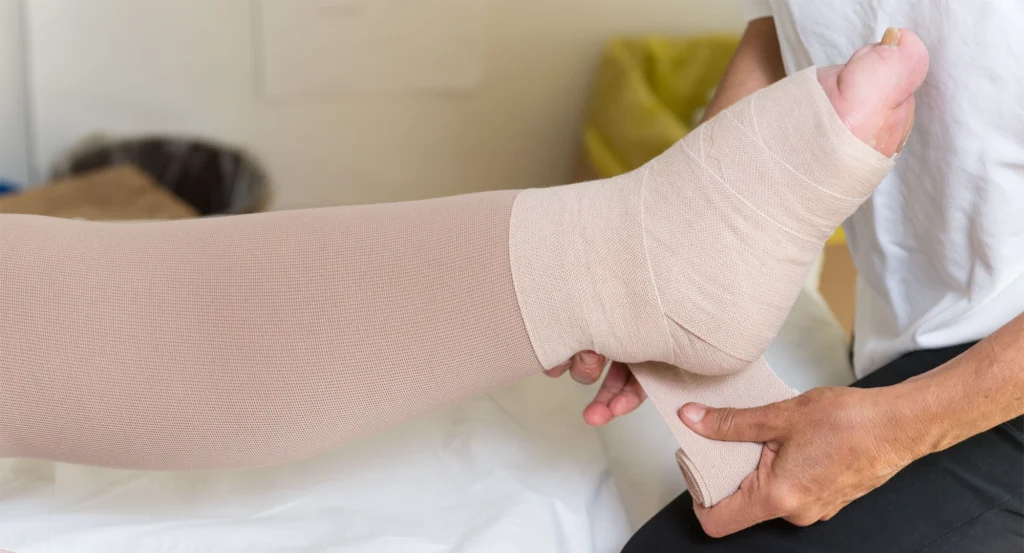
Finally, preventing cellulitis requires managing chronic health and skin conditions that compromise the immune system or skin barrier. People with conditions like diabetes, eczema, athlete’s foot (tinea pedis), or lymphedema (chronic swelling) are at higher risk. Controlling blood sugar levels in diabetes is vital, as is promptly treating any fungal infections, like athlete’s foot, which can cause breaks in the skin between the toes. For those with chronic swelling, a doctor may recommend good skin hygiene, leg elevation, or compression garments. By addressing these underlying factors, individuals can significantly reduce their susceptibility to cellulitis and the risk of recurrence.