
Swell Smart, Stay Connected: Telehealth Tips for Managing Edema
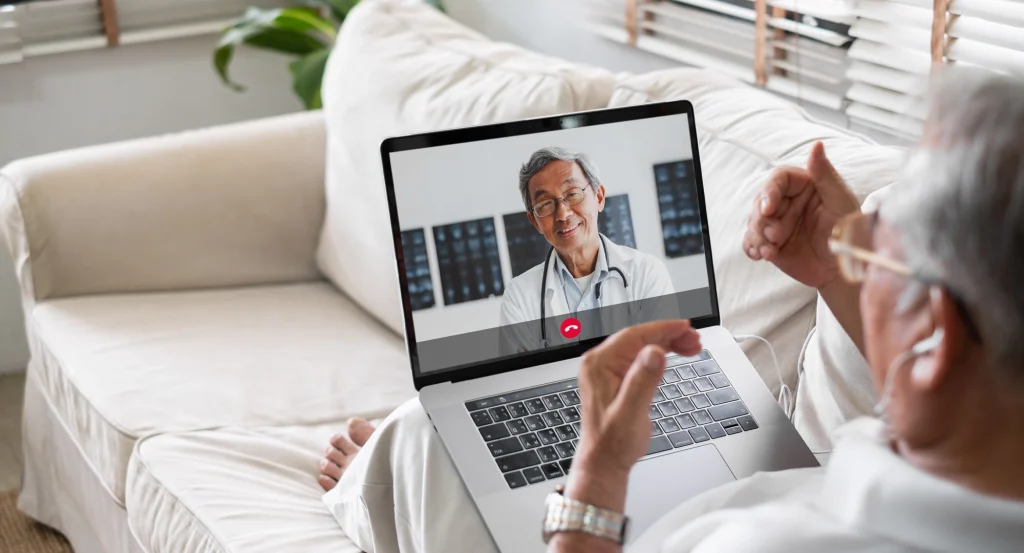
Edema, or chronic swelling, can be a frustrating condition to manage, but thanks to telehealth, you don’t have to face it alone. Telemedicine is transforming how you can monitor and manage your fluid build-up from the comfort of your home, saving you travel time and stress. By leveraging your smartphone or computer, you can partner with your healthcare team to maintain control and spot issues before they escalate.
Visuals are Key: Show Your Swelling
One of the biggest advantages of a video visit is the ability to show your provider what they can’t see over the phone. Before your appointment, find a well-lit space and take clear pictures or a short video of the affected limb. During the visit, be ready to hold your extremity up to the camera to demonstrate the swelling. Your provider may also ask you to gently press on the swollen area to check for “pitting” edema—a sign they can assess visually through the screen. Remember to wear appropriate clothing, like shorts or a short-sleeved shirt, so the full extent of the swelling is visible.
Mastering At-Home Monitoring
Successful edema management often hinges on tracking your progress. Use your telehealth visits to learn specific self-management techniques. Ask your provider or therapist for guidance on:
- Circumference Measurements: Learn how to accurately measure your limb’s circumference at specific points using a simple cloth tape measure. You can then log these numbers daily or weekly to quickly flag any increase in swelling.
- Self-Care Techniques: Ask for a demonstration of at-home techniques like manual lymphatic drainage (a gentle massage), proper skin care to prevent infection, and how to safely put on and take off compression garments.
- Lifestyle Check-in: Be prepared to discuss your diet, exercise, and compliance with compression. Telehealth is the perfect time to review your salt intake, hydration habits, and movement routines, ensuring they are all supporting fluid reduction.
Don’t Wait for an Emergency
The power of telehealth lies in early intervention. Know the warning signs that require an immediate call or in-person visit: sudden, significant swelling in only one limb; pain or warmth accompanying the swelling; or signs of infection like fever or redness. By having a pre-planned telehealth check-in schedule and actively tracking your at-home measurements, you can catch minor fluid increases and adjust your self-care plan before they turn into a medical emergency.