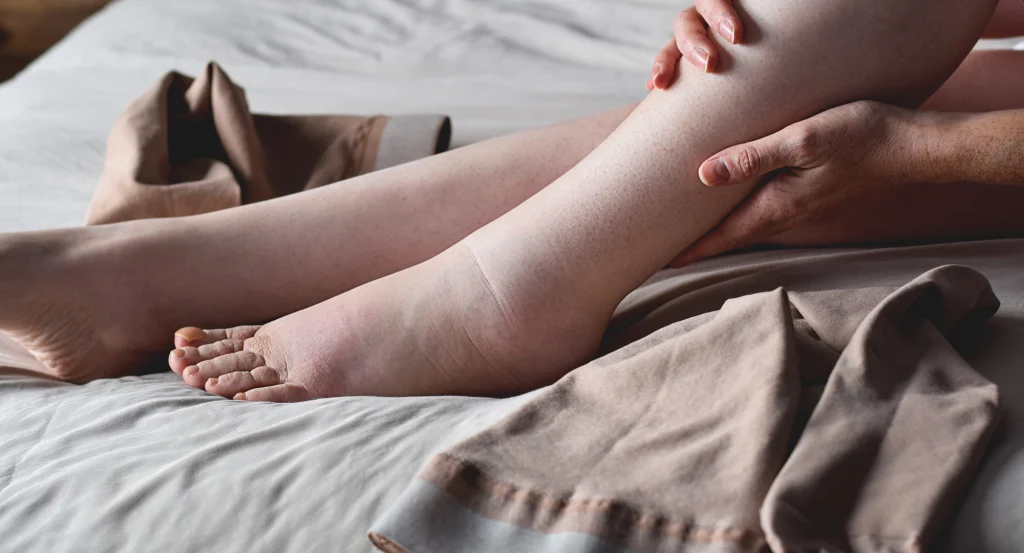

Understanding and Caring for Lymphedema
Lymphedema is a chronic and progressive condition characterized by the swelling of a body part, most commonly an arm or leg, due to a buildup of protein-rich fluid called lymph. This accumulation occurs when the lymphatic system—a critical part of the immune system that drains fluid and filters toxins—is damaged or blocked. The most common cause in developed countries is secondary lymphedema, often resulting from cancer treatments like lymph node removal or radiation therapy. Over time, untreated lymphedema can lead to thickened skin, reduced mobility, and a higher risk of serious skin infections, such as cellulitis.
The Cornerstones of Lymphedema Care
While there is currently no cure for lymphedema, its symptoms can be effectively managed through a multi-faceted approach, often referred to as Complete Decongestive Therapy (CDT). Successful long-term management relies on consistent self-care at home, guided by a certified lymphedema therapist.
1. Compression Therapy: Since the lymphatic system lacks a central pump, external pressure is essential to encourage fluid return. This involves wearing prescribed compression garments (sleeves, stockings, or gloves) daily. In earlier, more intensive treatment phases, your therapist may use low-stretch bandaging to achieve maximum fluid reduction.
2. Manual Lymphatic Drainage (MLD): MLD is a gentle, specialized massage technique performed by a therapist or self-administered (Simple Lymphatic Drainage, or SLD). This light touch encourages lymph fluid to move away from the swollen area towards functioning lymph nodes where it can be properly drained. It is a vital component of the daily self-care routine.
3. Exercise and Movement: Gentle, repetitive movements and exercises activate the surrounding muscles, creating a massaging effect on the lymph vessels that promotes drainage. Your therapist will prescribe a tailored exercise program, which should always be performed while wearing your compression garment to maximize its effectiveness.
4. Skin Care: Protecting the affected limb from any injury is paramount. The trapped fluid in lymphedema creates a fertile environment for bacteria, making the limb highly vulnerable to infection. Keep the skin clean, dry, and well-moisturized to prevent cracking. Use an electric razor for shaving and wear gloves for gardening or household chores to avoid cuts or nicks. If any break in the skin or signs of infection (increased redness, heat, pain, or fever) occur, seek medical attention immediately.